
Every few months an agent asks me what camera they should buy, convinced that a newer body with a bigger number on the box will fix their listing photos. It almost never does. I have watched forty-two-megapixel cameras produce dull, lifeless interiors, and I have seen a five-year-old body deliver images that had buyers booking showings before the weekend.
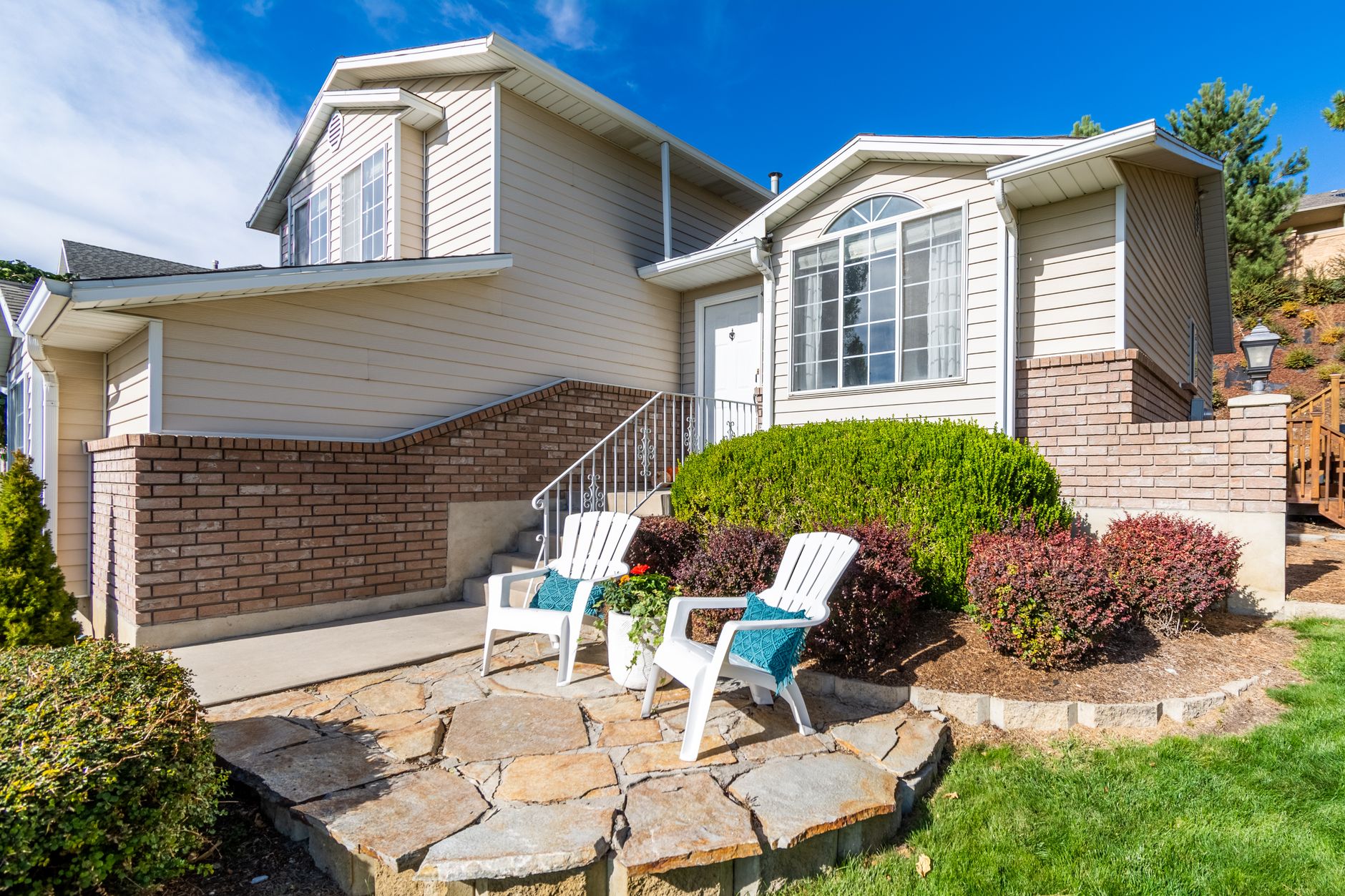
The gap between those two outcomes has almost nothing to do with the sensor. It has everything to do with the person holding the equipment and the choices they make in the two minutes before the shutter ever fires.
The megapixel myth that keeps circulating among Calgary agents
Somewhere along the way, the industry decided that photo quality could be measured like horsepower. More megapixels, better pictures. It is a tidy idea, and it is wrong. Megapixels describe resolution, which is the amount of detail captured. That matters for a billboard or a heavy crop, but a listing photo is viewed at a fraction of that size, often on a phone. Past a fairly modest threshold, extra resolution is invisible to the buyer. What they see instead is whether the room looks bright, spacious, and inviting, and no amount of resolution creates those qualities on its own.
What actually moves a buyer scrolling through listings
Buyers make a keep-or-skip decision in a fraction of a second. In that instant, they are not counting pixels. They respond to whether a space feels open and well cared for, whether the light looks warm, and whether they can picture themselves standing in the room. A photo that conveys that in the thumbnail earns the click. A technically flawless but flat image gets scrolled past. Emotion moves listings, and emotion comes from craft, not hardware.
Lighting decisions matter more than sensor size
Light is the single largest variable in any interior photo, and it is entirely within the photographer’s control. Knowing when to blend several exposures, when to bounce a flash off a ceiling, when to turn lamps on and when to kill them, and how to balance the blue cast of a snowy afternoon against warm indoor bulbs, this is the actual skill. An expensive camera in poor light produces a poor photo. A capable camera in expertly managed light produces a photo people remember.
Reading a room before you ever raise the lens
Good interior work starts before the camera comes out of the bag. Which corner shows the room’s true proportions? Where does the eye want to travel? Is there a sightline that makes a modest space feel generous, or one that accidentally emphasizes a cramped hallway? Reading these things takes experience, not gear. The photographer who walks a home first and shoots second consistently outperforms the one who fires away from the doorway.
The staging judgment no gear can replace
A crooked lampshade, a dish towel bunched on the counter, a chair pulled six inches too far from the table, these details register even when the viewer cannot name them. Knowing what to move, straighten, or remove is a judgment call built from hundreds of rooms. No sensor detects clutter. A skilled eye does, and quietly fixes it before the frame is ever composed.
Where phone cameras genuinely fall short
None of this means a phone is equal to a proper camera. Phones struggle with the wide, distortion-free angles interiors demand, they blow out windows while the room goes dark, and their small sensors introduce noise the moment the light drops. Those are real limitations. The point is that the limitations are specific, not simply a matter of a smaller number, and a dedicated camera solves them only in trained hands.
What separates a hobbyist from real estate photography in Calgary
The difference shows up in consistency. A hobbyist gets a great shot occasionally; a professional delivers a full set that feels cohesive, correctly exposed, and true to the home every single time. That reliability is why teams that treat marketing seriously lean on specialists in real estate photography in Calgary rather than chasing the newest camera and hoping. The skill is repeatable in a way that equipment alone never is.
Spending your budget where it earns its keep
If you have money to invest in your listings, put it into the person, not the box. A photographer who understands light, composition, and staging will make an ordinary home look like the best version of itself, and will do it consistently. That is what draws showings and shortens days on market. The camera is a tool, and like any tool, it only performs as well as the hands and the eye directing it.